
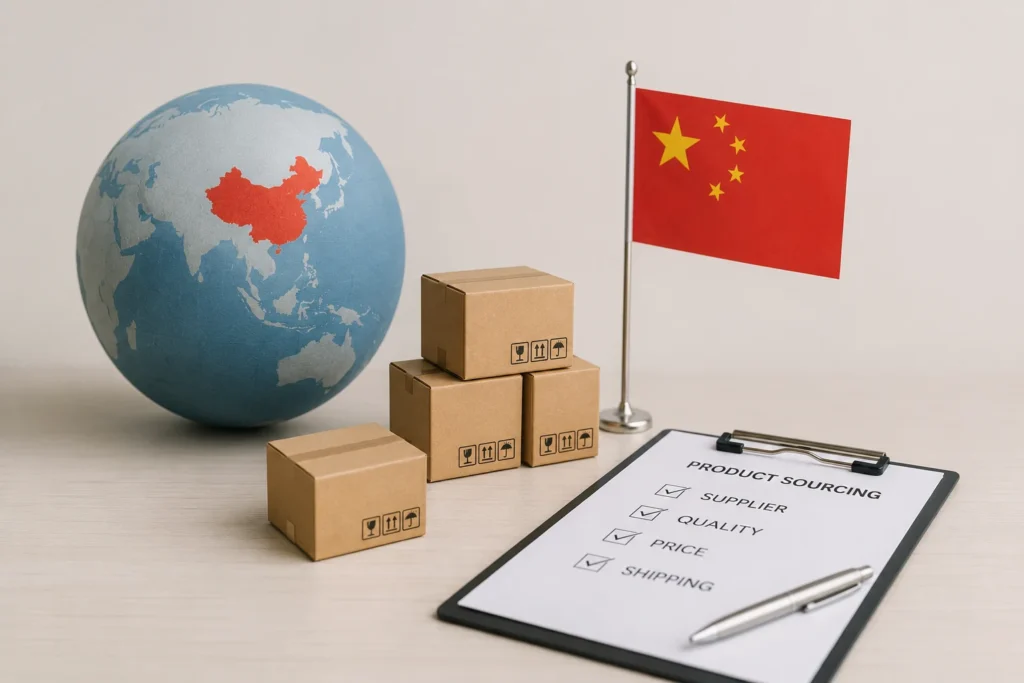
China continues to be one of the world’s leading manufacturing and sourcing destinations. Businesses across different industries source products from China to access a wide range of suppliers, manufacturing capabilities, and competitive pricing opportunities.
Introduction
China remains one of the world’s leading manufacturing and sourcing destinations. Businesses across different industries source products from China to access a wide range of suppliers, manufacturing capabilities, product options, and competitive pricing.
However, successful product sourcing requires more than simply finding a supplier online. Businesses need to evaluate suppliers, verify product quality, negotiate terms, manage production timelines, and coordinate shipping and documentation.
This guide explores the key steps involved in successful product sourcing from China.
1. Clearly Define Your Product Requirements
Before approaching suppliers, it is important to clearly understand what you are looking for.
Your product requirements may include:
- Product specifications
- Materials and dimensions
- Quality standards
- Packaging requirements
- Branding requirements
- Required quantity
- Target pricing
Clear specifications help suppliers provide accurate quotations and reduce misunderstandings during production.
2. Find Reliable Suppliers
Finding the right supplier is one of the most important stages of the sourcing process.
Businesses should evaluate suppliers based on factors such as:
- Manufacturing experience
- Product specialization
- Production capacity
- Export experience
- Communication capabilities
- Quality control processes
Working with a reliable supplier can help reduce risks and ensure smoother procurement operations.
3. Verify Suppliers and Factories
Supplier verification is an essential part of international sourcing.
Before placing large orders, businesses should confirm important details about the supplier, including their business operations, manufacturing capabilities, production facilities, and quality management processes.
Factory verification can help businesses gain greater confidence before entering into long-term procurement relationships.
4. Request Samples Before Bulk Orders
Product samples provide an opportunity to evaluate quality before placing a large order.
Businesses should check:
- Product quality
- Materials used
- Dimensions
- Functionality
- Finishing
- Packaging
Sample approval helps reduce the risk of receiving products that do not meet expectations.
5. Negotiate Pricing and Terms
Price negotiation is an important part of the sourcing process, but businesses should consider more than just the unit price.
Other important factors include:
- Minimum order quantities
- Payment terms
- Production timelines
- Packaging costs
- Shipping arrangements
- Quality requirements
A well-negotiated agreement helps businesses manage costs while maintaining product quality.
6. Monitor Production Progress
Once production begins, regular communication and production follow-up are important.
Monitoring production progress helps businesses stay informed about:
- Manufacturing timelines
- Production status
- Potential delays
- Quality concerns
- Expected completion dates
Early identification of potential issues can help avoid unnecessary delays.
7. Coordinate Quality Inspection
Quality inspection is an important step before goods are shipped.
Inspections can help verify whether products meet the agreed specifications and quality standards.
Key inspection areas may include:
- Product appearance
- Quantity verification
- Packaging
- Functionality
- Product specifications
- Overall quality
Proper quality coordination helps reduce the risk of receiving defective or incorrect products.
8. Arrange Export Documentation and Shipping
Once products are ready, the next stage involves coordinating export documentation and international transportation.
Depending on the shipment, this may involve:
- Commercial invoices
- Packing lists
- Certificates
- Shipping documents
- Customs documentation
Businesses must also choose the appropriate transportation method based on cost, delivery timelines, and cargo requirements.
Conclusion
Successful sourcing from China requires careful planning, supplier evaluation, quality management, and effective logistics coordination.
By working with experienced sourcing and logistics partners, businesses can simplify the procurement process and manage everything from supplier identification to final delivery.
At Flame Star International Company LLC, we support businesses with China sourcing, supplier coordination, quality inspection coordination, documentation, and international logistics solutions.